How to Spot Fake or Treated Jade (Type A, B and C)
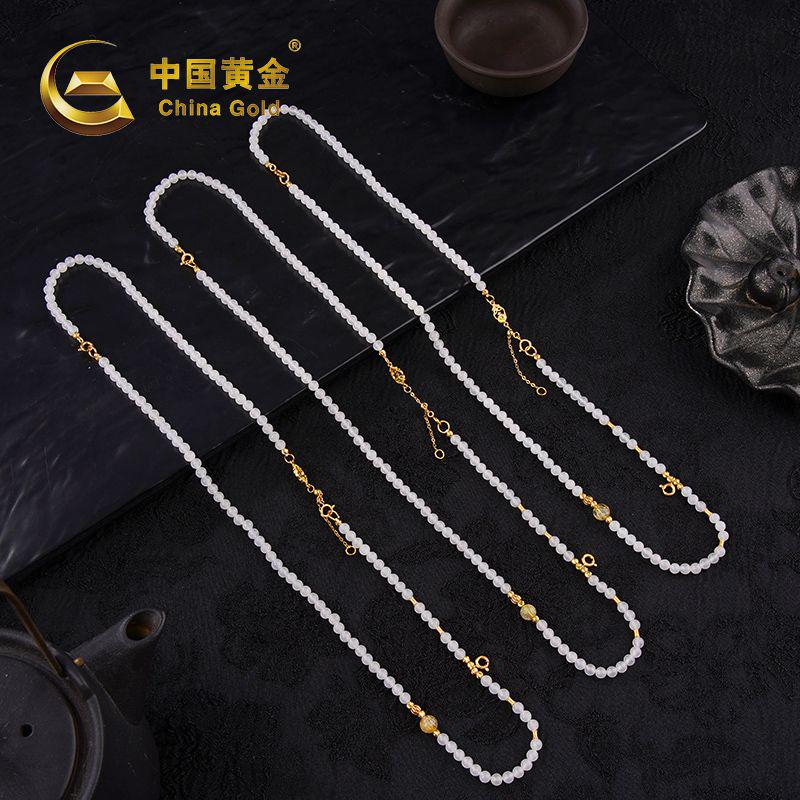
"Is it real?" is the question behind every jade purchase. The honest answer: looks alone aren't enough — but knowing the grading system and a few checks will keep you out of trouble.
Type A, B and C — what they mean
- Type A — natural and untreated. Only mechanically polished (a surface wax is acceptable). This is the only grade worth collecting.
- Type B — bleached with acid to remove impurities, then impregnated with polymer/resin. Looks bright initially but degrades and yellows over time.
- Type C — artificially dyed to fake colour. The colour fades and can look unnaturally even or concentrated in cracks.
- Type B+C — both bleached/filled and dyed. Avoid.
Common imitations
Beyond treated jade, watch for outright substitutes: dyed quartz, serpentine ("new jade"), glass, plastic and reconstituted powder. Glass and plastic feel warm and light; real jade feels cool and dense.
Simple at-home checks
- Temperature & weight — real jade feels cool and is notably dense for its size.
- Look into the light — natural jade shows a fibrous or granular internal texture; dye often pools in cracks.
- Surface— treated stone can show acid-etch "orange peel" or net-like cracks under magnification.
- Sound — strung Type A beads give a clear, crisp ring; filled stone sounds dull (use as a hint, not proof).
These checks help, but no single test is conclusive at home — especially for high-value pieces.
The only sure answer: certification
For any significant purchase, rely on an independent gemological certificate from an internationally recognised lab (China, Hong Kong, Singapore). It states the material and whether it is natural (Type A). Every fine piece we sell is natural and certified — and as an authorized China Gold (中国黄金) partner, authenticity is the foundation of how we work.
Looking for a specific piece?
Browse our certified, Type A collection or send us an enquiry.
Shop Jade