Jade Colours Explained: White, Green, Lavender & More
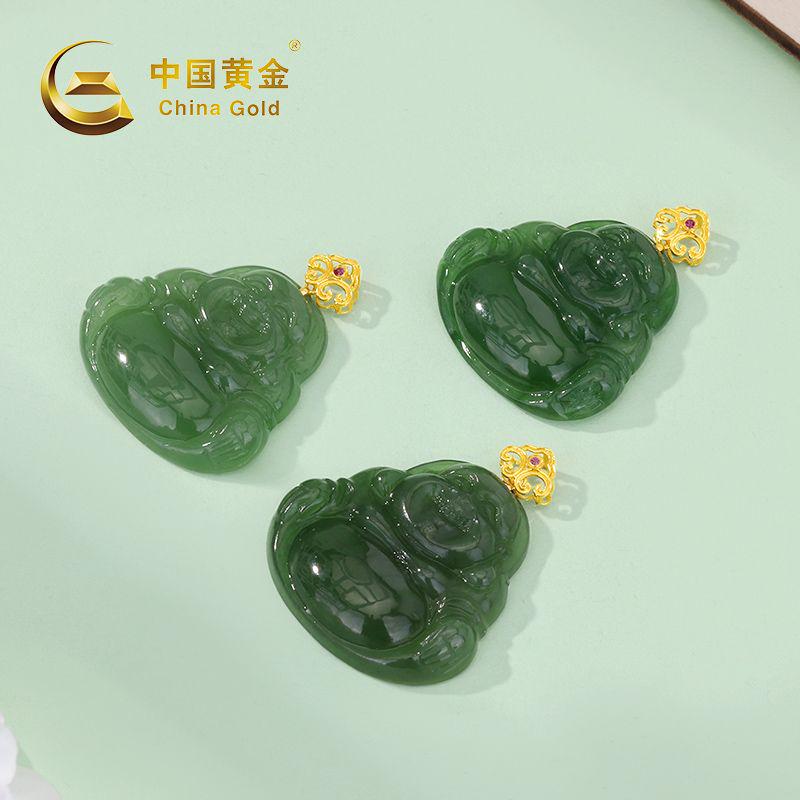
Jade comes in a beautiful spectrum, and colour is one of the biggest drivers of both look and price. Here are the colours you'll meet most often, across nephrite (Hetian) and jadeite.
White (mutton-fat)
The classic of Hetian nephrite. The most prized is a warm, slightly creamy white with a dense, oily texture — "mutton-fat" jade. A clean, even white with good oiliness is highly collectible.
Green nephrite (碧玉)
Spinach-to-emerald greens, often from Russian and Qinghai material. Value rises with rich, even colour and fine texture. Small black flecks are common and natural; even colour without heavy spotting is best.
Lavender & smoky purple
Soft lavender and smoky-purple tones are elegant and increasingly fashionable — especially with younger buyers. Even, gentle saturation is the goal. Lavender jadeite in particular is a rising collector favourite.
Black jade (墨玉)
Dense black nephrite, dramatic and understated, and very popular for men's beaded bracelets. Look for an even, deep colour and good polish.
Imperial & icy jadeite
In jadeite, vivid pure "imperial green" is the most valuable of all jade colours, prized for saturation and "water" (transparency). "Icy" near-colourless jadeite, glassy and luminous, is also highly sought after.
How colour affects price
- Saturation & evenness matter more than the hue itself.
- Natural, untreated colour (Type A) is essential — dyed colour has little value.
- For jadeite, colour combined with high water commands the strongest prices.
Whatever the colour, insist on natural, certified jade — and choose the tone that speaks to you, since you'll wear it for years.
Looking for a specific piece?
Browse our certified, Type A collection or send us an enquiry.
Shop Jade